Tables serve as essential surfaces for dining, work, and daily tasks, combining stability with design to support everyday activities. Understanding table construction, materials, and finishes helps users select pieces that align with durability, safety, and aesthetics. This category emphasizes how table types and features influence usage in homes and workplaces alike, including considerations for cleaning and maintenance.
Common table materials include wood, veneer, metal, and composite surfaces, each offering distinct advantages in terms of warmth, weight, and resilience. Finishes such as matte, satin, or high-gloss affect touch and reflectivity, while edge profiles influence comfort and style. Knowledge of construction methods aids in evaluating long-term performance and usability.
Functionality considerations encompass size, height, leg configuration, and leg room to accommodate seating arrangements and workflows. Tables designed for tasks like writing, computing, or dining may integrate subtle ergonomic features or modular options. For families and multi-use spaces, selecting surfaces that withstand frequent use and accidental spills is particularly important.
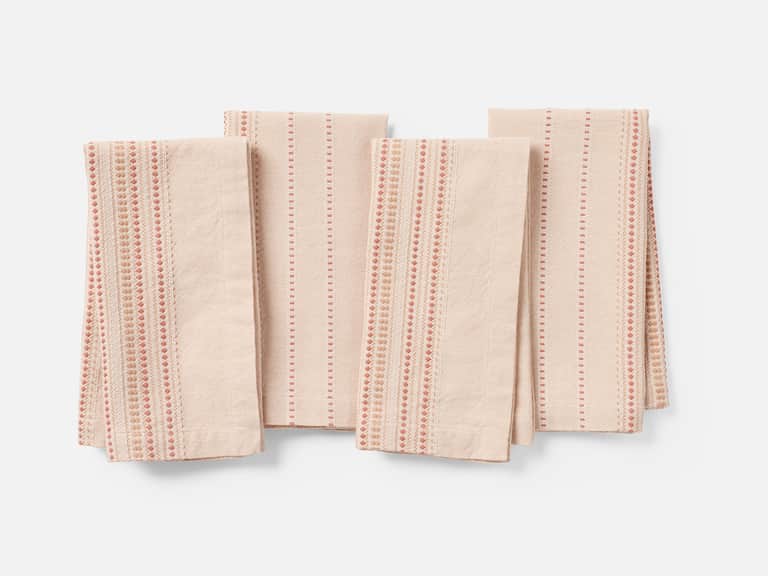
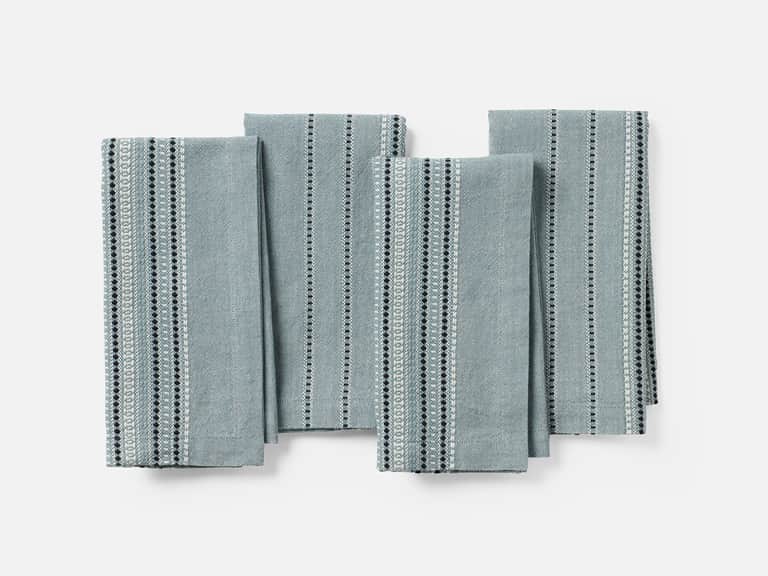
In this category, the featured items Lobos Organic Napkins, Set of 4, and Lobos Organic Napkins, Set of 4 highlight how textile accessories complement tabletop experiences. While napkins are textiles rather than tables themselves, their material choices—such as organic cotton and disciplined stitching—enhance absorbency, durability, and soft handfeel, contributing to a cohesive table setting.
Enduring benefits of thoughtful table and accessory selection include sustainable material choices, low-toxicity finishes, and careful fabrication practices. By aligning table design with everyday routines, users can achieve reliable usability, easier maintenance, and a timeless aesthetic that supports a calm, functional dining or work environment, reinforced by organic and responsibly produced textiles.
 Table
Table