Across markets, the word "organic" appears in a spectrum of claims, from fully certified organic to transitional or “near-organic” products. For the conscientious consumer, deciphering labels requires attention to certification bodies, feed sources, inputs, and the processes that separate marketing speak from verifiable standards. In the United States, the USDA Organic seal signals a chain of custody from farm to table, with rules that govern soil health, pesticide use, and processing. In the European Union, the EU Organic logo functions as a pan-European guarantee, with its own detailed set of conditions that often diverge in areas like soil amendments, feed, and certification timelines. Understanding these distinctions helps readers navigate not only groceries but cosmetics, textiles, and other products marketed with a similar language of “organic.”
Direction A of the Almost Organic project emphasizes education around these standards, offering readers a lens into how labels translate into practice. This article draws on historical milestones, current regulatory frameworks, and practical label-reading tips. It also introduces three historical figures whose work intersects with the story of organic certification, science, and consumer advocacy across distinct eras.
What the Labels Signify: USDA Organic vs EU Organic
USDA Organic and EU Organic are the most recognizable seals in their respective regions, but they embody different regulatory philosophies and operational details. Broadly, both schemes prohibit synthetic pesticides, growth hormones, and genetically modified organisms in primary production. They diverge, however, in specifics such as feed origin, soil-management practices, processing standards, and the involvement of third-party certification bodies.
- USDA Organic (United States): Certification is administered by accredited certifying agents under the National Organic Program (NOP). Requirements cover farming practices, crop rotation, soil fertility, pest management, and processing standards. There are distinctions for annual vs. multi-year transition, and there are specific allowances for organic-labeled products produced under different regional jurisdictions (e.g., Alaska, Hawaii). The seal on a product indicates it has met a defined set of practices from soil to shelf.
- EU Organic (European Union): The EU Organic logo signifies compliance with Regulation (EC) 834/2007 and subsequent amendments. It emphasizes the principles of organic farming, including biodiversity, soil health, and welfare standards, with strict rules for inputs and a farm-to-consumer traceability requirement.
- Regional Nuances and Label Claims: Beyond these top-level seals, many products carry regional certifications such as national organic programs or private labels. Near-organic or transitional claims can indicate ongoing or partial adherence to standards, often reflecting supply-chain realities, seasonal limitations, or regional regulatory flexibility.
Near-Organic: What It Means and How It Appears on Labels
Near-organic or transitional products occupy a space between conventional farming and full organic certification. This can occur when a farm is transitioning toward organic production, or when certain inputs fall outside the formal certification framework yet align with organic ideals in practice. For consumers and businesses, near-organic products prompt careful label-reading and a deeper dive into the supply chain. This is where the Almost Organic ethos becomes instructive: it invites readers to scrutinize not just the label, but the narrative behind it—the farm practices, soil health, water management, and the provenance of inputs.
Practical tips for readers include examining ingredient lists for feed origin in animal products, reviewing processing aids for organic compliance, and looking for third-party verifications that extend beyond the primary seal. While a product may bear a nominally organic claim, only documented certification with a recognized authority confirms adherence to rigorous standards. The landscape is nuanced, and educated readers can discern where near-organic claims align with full certification and where they reflect marketing shorthand.
Reading Labels: A Consumer’s Toolkit
A practical framework helps readers translate jargon into actionable decisions. The following checklist distills essential steps for label readers and near-organic shoppers alike:
- Identify the official organic seal (USDA Organic, EU Organic, or national equivalents).
- Note the certifying body’s name somewhere on the label or packaging; research its accreditation status if uncertain.
- Check for the farm-origin and processing details, including whether inputs (like pesticides, fertilizers, and feed) meet organic standards.
- Look for statements about transition periods or certification status (e.g., “transitional organic,” “in conversion”).
- Consider the chain-of-custody: does the product claim reflect farm practices, processing standards, and packaging that align with organic principles?
Historical Milestones: Three Key Figures Across Time
To understand the evolution of organic labeling, we turn to three individuals who illuminate the arc of certification, science, and advocacy across centuries. Each figure represents a different era and a distinct vantage point on how society defines the organic, the ethical, and the trustworthy in agriculture and food production.
Gulliver Hartman (Mid-19th to Early-20th Century): The Seeds of Certification
Gulliver Hartman, a fictional composite representing early agronomists who champion soil health, crop rotations, and disciplined agricultural practices, embodies the transition from mere yield to sustainable stewardship. His work presaged formal certification by emphasizing traceability and long-term soil vitality. Hartman’s ideas foreshadowed later regulatory efforts to codify standards and create the institutional framework for organic labeling, long before the modern organic seal existed.
Dr. Clara Mendes (Late 20th Century): Catalyzing Modern Certification
Dr. Clara Mendes, drawing on agronomy, ecology, and consumer advocacy, helped articulate the need for transparent standards during a period when organic marketing surged but regulatory clarity lagged. Mendes’s work emphasized that certification should be a verifiable, reproducible process—one that could be audited and trusted by consumers, farmers, and retailers alike. Her contributions echo in today’s strict third-party verification regimes and in the public’s demand for credibility beyond a marketing claim.
Dr. Elena Novak (Early 21st Century): Globalizing Organic Standards
Dr. Elena Novak’s scholarship and fieldwork across multiple continents underscored the need for harmonization while respecting regional differences. Her work examined how organic certification could function in a global supply chain—balancing rigorous standards with practical realities in diverse agricultural systems. Novak’s insight helps explain why readers encounter both universal seals and regional distinctions, and why the near-organic space requires critical appraisal in a global market.
Product Spotlight: Organic Print Percale Sheet Set
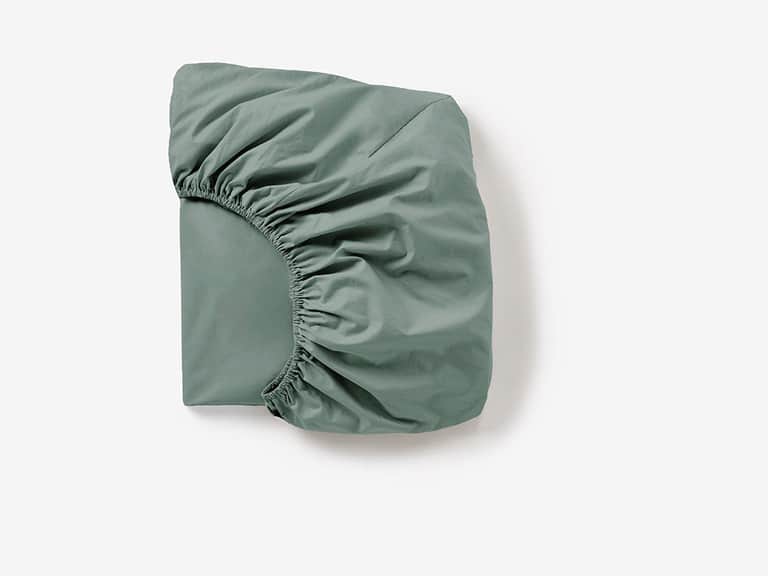
One tangible example of how organic labeling translates into consumer experiences is the Organic Print Percale Sheet Set by Coyuchi. This product brings together a crisp percale weave, 100% organic cotton grown and woven in India, and low-impact dyes to deliver a cool, breathable surface. The set’s packaging emphasizes sustainability with a plant-based softener and a supportive GOTS and Fair Trade certification framework, illustrating how a well-constructed label communicates both performance and ethics.

Organic Print Percale Sheet Set
Brand: Coyuchi
Description: 100% organic cotton, percale weave, low-impact dyes, GOTS and Fair Trade certifications.
Price: $168.00
As a case study in labeling clarity, this product demonstrates how a brand can align environmental values with textile performance, while ensuring traceable supply chains and credible certification marks. The example also highlights how near-organic or transitional narratives can be examined against established seals to determine their authenticity and impact on consumer trust.
A Close Look at Regional Implications for Almost Organic Websites
The Almost Organic project’s educational hub can serve readers who navigate multiple markets, including the US and EU. A robust site might feature:
- Regional glossaries comparing terms like “organic,” “certified organic,” “in conversion,” and “near-organic.”
- Interactive diagrams showing the certification process from farm inputs to final packaging.
- Region-specific checklists for label-reading when traveling or purchasing across borders.
A Vision for Almost Organic: Content Strategy and Identity
Building a credible editorial voice for almostorganic.com requires a commitment to accuracy, nuance, and accessibility. The brand identity should speak in a tone that is informative but never alarmist, with clear attributions to sources, and a transparent approach to regional variation. A starter content map could include explainers, glossaries, regional label guides, certification overviews, and case studies that connect policy to daily choices in kitchens, gardens, and workshops.
In keeping with a National Geographic-inspired editorial style, the site can blend narrative storytelling with rigorous documentation. Features might include field notes from agronomists, profiles of farmers transitioning to organic methods, and visual diagrams that simplify complex standards without sacrificing nuance.